EN


 Aug.25, 2026
Restaurants, caterers, meal-prep companies, and takeaway shops need packaging that protects food, controls costs, and meets food-contact rules. disposable food containers wholesale can reduce unit prices and simplify supply planning, but the wrong material may leak, soften under heat, or fail during delivery. This guide explains how to choose bulk disposable food containers for restaurants, check supplier quality, compare materials, and place a safer wholesale order.
!
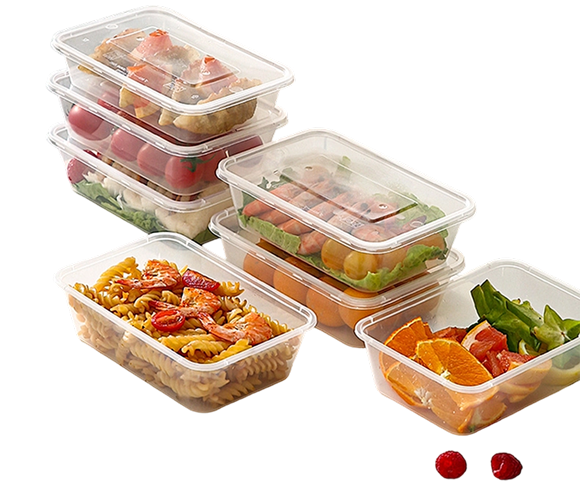
Disposable food containers wholesale means buying single-use food packaging in large quantities directly from a manufacturer, distributor, or packaging supplier. Common products include:
In the packaging industry, buyers usually compare five technical terms:
A wholesale food container is not automatically safer or better because it is cheaper. The right choice depends on the food type, serving temperature, transport time, storage method, and local regulations.
Packaging affects more than appearance. It influences food safety, delivery quality, labor time, and operating cost.
A wholesale order can reduce the price per container because production, packing, and freight costs are spread across more units. However, the total purchase cost also includes:
A supplier should provide a clear quotation based on the same quantity, material, size, lid type, and shipping term. Comparing only the factory unit price can produce a misleading result.
A restaurant that uses 3,000 containers per week needs more than a low price. It needs a reliable delivery schedule. A simple stock calculation is:
Reorder point = average weekly use × supplier lead time in weeks + safety stock
For example, if a catering business uses 3,000 containers per week, the lead time is 5 weeks, and safety stock is 20%, the reorder point is:
3,000 × 5 × 1.2 = 18,000 containers
This calculation helps prevent emergency purchases at a higher price.
A strong container should keep food inside during normal handling. It should resist:
A container that leaks one order in every 100 deliveries can create refunds, complaints, and food waste. Buyers should measure leakage during a real transport simulation instead of relying only on product photos.
PP is common for hot meals, meal preparation, and microwave-compatible packaging. Many PP containers can handle hot food better than PET containers.
Typical advantages include:
Important limitations:
Ask for the technical data sheet and test the complete container-and-lid set.
PET is widely used for cold food, salads, fruit, desserts, and drinks. It provides good clarity, which helps customers see the product.
Typical advantages include:
PET is generally not the first choice for very hot food. A clear PET box may deform when exposed to temperatures outside its rated range.
PS has been used for trays, cups, and takeaway packaging. It can be lightweight and economical, but local restrictions may apply. Some regions have limited or banned certain foam food-service products.
Before importing or distributing PS products, check the rules in the destination country, state, or city.
Bagasse is made from sugarcane fiber. Molded fiber products are often selected by brands that want a plant-fiber packaging option.
Potential benefits include:
Buyers should not assume that every bagasse product is home-compostable or commercial-compostable. The BPI certification system, ASTM standards, and local waste facilities should be checked before making environmental claims.
Paper bowls and cartons can work well for dry food, snacks, noodles, and some saucy meals. The coating controls resistance to water and oil.
Ask these questions before ordering:
For rice, pasta, curry, fried food, and cooked meat, focus on:
PP is often considered for hot meals, but the exact grade and design still matter.
Soup containers need a tight lid and a stable base. Test them with hot water or the actual recipe. A container may pass a cold-water test but leak when heat softens the lid or creates internal pressure.
Check:
Clear PET containers are common for salads, fruit, desserts, and chilled products. They allow customers to see the food and can support visual merchandising.
The main risks are:
For salads with dressing, a separate sauce cup may provide better quality control.
Frozen food packaging must tolerate low temperatures without becoming too brittle. Ask the supplier for the tested temperature range and storage conditions.
A suitable container should be tested for:
For cakes, pastries, cookies, and desserts, appearance and protection are major factors. Clear lids, anti-crush designs, and stable bases can reduce product damage.
Do not choose a container only by internal volume. Measure the actual food height and include space for toppings, frosting, and movement during transport.
A sample test should happen before a large purchase. The following process can help a buyer compare suppliers.
A product listed as “500 ml” may not hold 500 ml comfortably once food, sauce, and headspace are considered. Measure:
Use the actual serving size from your business rather than water alone.
Fill the container with the intended food or a similar liquid. Close the lid and place it:
Record leakage, lid movement, and container deformation. For a more useful result, test at least 20 samples from different cartons.
Use the actual service conditions. For example:
The U.S. Food and Drug Administration states that hot food should generally be held at 140°F (60°C) or above, while cold food should be kept at 40°F (4°C) or below. Packaging must support the business process without creating a food safety risk. See the FDA food safety guidance for temperature control:
Stack filled containers to match delivery conditions. For example, test 5, 10, and 20 containers when your delivery bags commonly carry those quantities.
Check for:
Place hot, oily, acidic, or strongly flavored food in the sample. After the normal holding time, check:
Ask the supplier for a food-contact declaration and relevant migration test documents. In the United States, the FDA Food Contact Substances program explains how materials used with food are reviewed:
A container and lid from different production batches may not fit correctly. Confirm:
Order the complete set for testing. Testing the base without the production lid does not show real delivery performance.
Words such as “green,” “eco,” and “biodegradable” can be unclear. Ask for specific evidence:
ASTM D6400 is one recognized standard for labeling certain products as compostable in municipal and industrial composting facilities. However, certification does not guarantee that every local waste facility accepts the product. See ASTM information here:
Before placing an order, request copies of the following documents when applicable:
For U.S. buyers, suppliers should explain whether the material complies with the relevant FDA rules for food-contact use. For European buyers, check applicable EU food-contact requirements, including Regulation (EC) No 1935/2004 and plastic materials rules under Regulation (EU) No 10/2011.
Do not accept a general statement such as “food grade” as the only proof. The phrase does not explain the intended food type, temperature, or contact time.
Use a landed-cost model instead of comparing the factory price alone.
Landed cost per unit = product cost + lid cost + printing cost + freight + duty + local delivery + inspection cost ÷ usable units
Example:
If 3% of the shipment is damaged, the effective cost is higher:
Total purchase cost ÷ 97% usable units
This calculation is especially important for low-cost products with weak cartons, poor lids, or high breakage rates.
Also compare storage volume. A low unit price may not be economical if the order occupies valuable warehouse space or requires special handling.
Many food brands request custom disposable food packaging in bulk to improve recognition and control portion presentation.
Common options include:
Before approving artwork, check:
A custom mold can improve the fit and appearance of a container, but it may require a larger initial investment. For a small business, printed labels or sleeves may be more flexible.
The cheapest container may have thinner walls, weaker lids, or a higher damage rate. Compare the total cost per usable container.
A container suitable for cold salad may fail with hot curry. Match the material and design to the application.
Photos cannot show seal strength, odor, heat resistance, or stacking performance. Always test production samples.
A package labeled compostable may not be accepted by the local composting system. Confirm the disposal route before printing environmental claims.
Large orders reduce unit price but increase storage and obsolescence risk. Start with a sample, then a controlled trial, followed by a regular supply plan.
A good base with a poor lid still creates leakage. Treat the container and lid as one packaging system.
A reliable supplier should answer technical questions clearly and provide consistent batch quality.
Use this supplier checklist:
For buyers comparing manufacturers, Zhengjia can be included in the supplier review. Request samples, confirm the intended food application, and compare its test documents with those from other suppliers before making a final decision.
There is no single best material. PP is commonly considered for hot meals, PET for chilled foods, molded fiber for plant-fiber packaging, and paperboard for selected dry or semi-liquid products. The correct choice depends on temperature, food type, transport time, and local waste systems.
Only if the specific product is designed and labeled for microwave use. The container and lid may have different limits. Ask the supplier for test data and follow the stated heating instructions.
Use weekly consumption, lead time, storage capacity, and safety stock. A common planning method is:
Reorder point = weekly use × lead time + safety stock
Avoid buying more than you can store or use before packaging regulations, artwork, or menu requirements change.
“Better” depends on the full use and disposal system. Compostable products may support a food-service sustainability plan, but they require suitable certification and access to a facility that accepts them. Plastic may be more suitable for some hot, oily, or reusable-system applications.
Ask for the material specification, food-contact declaration, migration test report, temperature data, relevant certification, carton details, and quality-control information.
Some suppliers offer labels, sleeves, or low-volume printing with lower minimum order quantities. Custom molds usually require more investment. Ask for artwork requirements, sample approval, mold fees, and production lead time.
Choose a matching lid, test the container with the actual food, allow suitable headspace, avoid overfilling, and test upright, sideways, and upside-down transport positions.
Start by listing your food types, serving sizes, temperature range, delivery time, and weekly usage. Then request samples from at least two suppliers. Test the full container system, review compliance documents, calculate landed cost, and confirm the delivery schedule.
After approval, place a smaller trial order before moving to regular bulk purchasing. Keep a written specification for each product, including material, dimensions, lid code, color, carton quantity, and required documents. If you are comparing manufacturers, request a sample and technical file from Zhengjia as part of the evaluation process. This process can help you select eco-friendly disposable food containers wholesale or standard food packaging based on evidence rather than advertising claims.
We look forward toworking with you.
Feel free to reach out for any queries. We would be happy to help!