EN


 Jun.03, 2026
Preface
The main cost of a PP lunch box is the raw material.
The price of polypropylene (PP) plastic pellets is affected by multiple factors such as oil prices, market supply and demand, and exchange rates. It is not uncommon for prices to rise or fall by 20-30% within a year.
When raw material prices rise, the cost of lunch boxes rises accordingly. But the customer's procurement budget does not adjust synchronously with the raw material price.
This is the most headache-inducing thing for lunch box factories.

1. When Raw Material Prices Rise, What Do Factories Do?
Generally speaking, factories have three ways to respond. The first is to tough it out, not raising prices and absorbing the cost themselves, which leads to thinner profits or even losses. The second is to raise prices and notify customers of the price adjustment, which may result in customers switching orders elsewhere. The third is to optimize, controlling costs without affecting quality, but this requires technical and management support.
Most factories use a mix of these three approaches. They tough it out as much as they can, then adjust prices when they can no longer hold on, while continuously optimizing the production process.
There is no standard answer. Every factory's situation is different.
2. How Do Customers View Price Increases?
Based on our experience, the feeling is: customers do not reject price increases, but they reject "sudden price increases" and "frequent price increases."
If raw material prices rise by 10%, and the factory notifies customers one month in advance, explains the reasons, and provides data to support it, most customers can understand. But if the factory notifies customers today and raises prices tomorrow, or raises prices three times in a month, customers will feel that this factory is unreliable and start looking for alternatives.
Therefore, the cooperation habit of many long-term customers is: lock in a price for a certain period of time, during which the factory absorbs raw material fluctuations; if the fluctuation exceeds a certain range, both parties discuss adjustments.
3. The Advantage of Integrated Manufacturer-Trader Factories Is Reflected Here
When raw materials fluctuate, trading companies are in a more difficult position than factories.
Trading companies do not purchase raw materials directly, so their prices are controlled by upstream factories. When upstream factories raise prices, trading companies either absorb the cost themselves or lose customers. They do not have production lines and cannot reduce costs by optimizing processes.
Integrated manufacturer-trader factories, on the other hand, have several buffers:
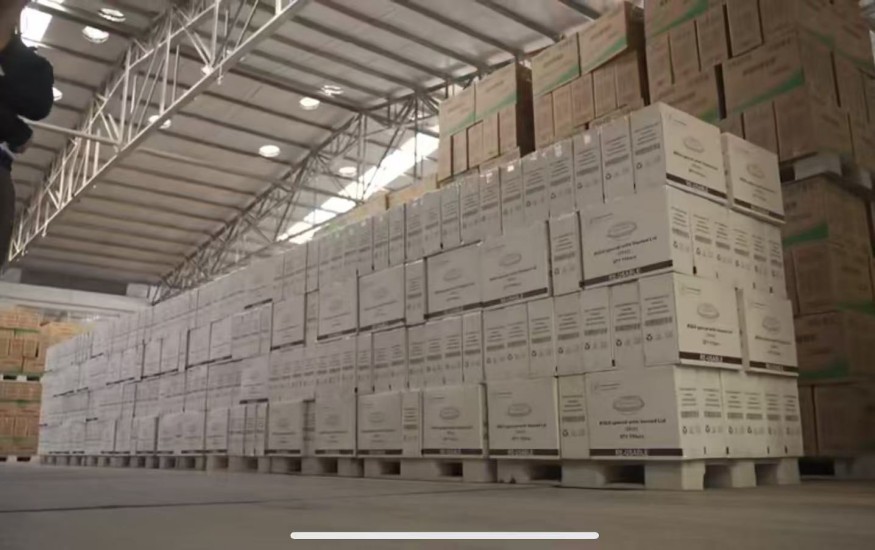
Bulk purchasing: stock up more when raw material prices are low to average out the price
Process optimization: through mold adjustments and injection parameter optimization, control per-unit consumption without affecting quality
Product mix: take orders for both high-profit products and high-volume products together
They cannot completely avoid being affected, but they have several more layers of buffer than pure trading companies.
4. A Real Situation
We ourselves entered the industry in 2006 and have experienced several rounds of major raw material price surges and drops.
One piece of experience: when you do solid work on quality and delivery during normal times, customers are more willing to cooperate when raw material prices rise.
The logic is simple: switching to another supplier may save a few cents, but it comes with the risks of quality fluctuations, delayed delivery times, and increased communication costs. If the existing supplier has been doing a good job, customers are not willing to take these risks just for a small price difference.
Conversely, for factories that rely solely on low prices to win orders, once raw material prices rise and they adjust their prices, customers may leave without even saying goodbye.
5. What Is the Situation in 2026?
This year, the international situation is unstable, with crude oil prices continuing to rise, directly pushing up PP raw material costs. This round of price increases has come quickly and fiercely. Many peer factories have been forced to reduce production or even shut down due to raw material cost inversion.
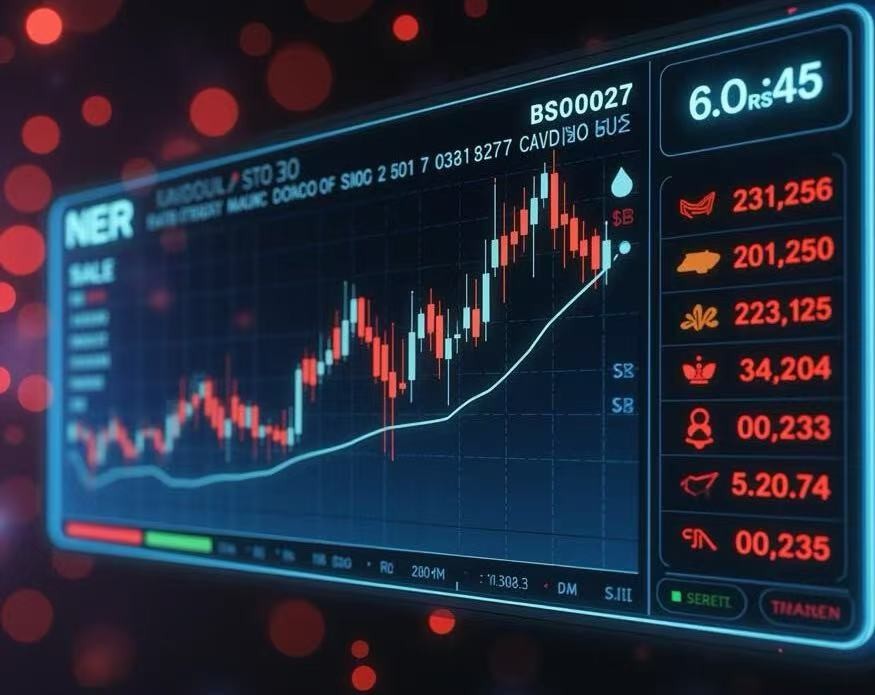
But our situation here is somewhat different. We have been in this industry for nearly twenty years and have always been relatively sensitive to raw material price fluctuations. From the end of last year to the beginning of this year, we judged that raw material prices would experience a round of increases, so we stocked up on a relatively large amount of PP pellets in batches in advance. Although it tied up a considerable amount of capital, looking at it now, this step was the right move.
Because we have raw materials on hand, our production lines have never stopped. When our peers were reducing production, we were still shipping normally; when others could not deliver, our delivery times became even more stable.
This is not luck, but the result of advance judgment and strategic stocking.
Conclusion
Raw material prices will rise and fall. This is something that cannot be avoided in the manufacturing industry.
We started making PP lunch boxes in 2006. We changed our factory name but never changed our industry. We have experienced raw material lows and weathered highs. Price is not our only advantage. Stable delivery and taking responsibility when problems arise are the reasons why customers stay with us for the long term.
If you are looking for a PP lunch box factory that can cooperate long-term, does not raise prices arbitrarily, and communicates smoothly, welcome to get in touch.
We look forward toworking with you.
Feel free to reach out for any queries. We would be happy to help!