EN


 Sep.14, 2026
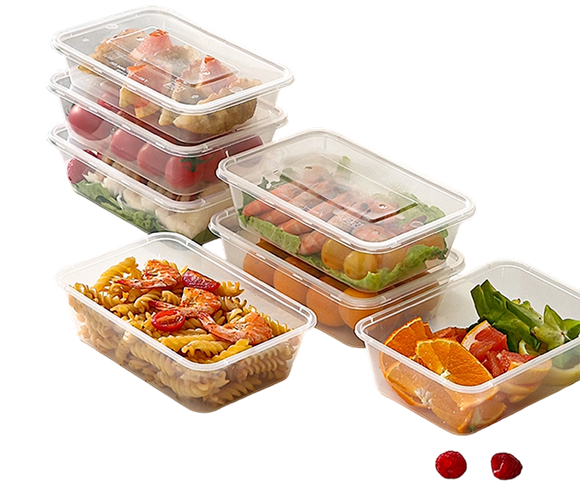
square take out containers are popular for delivery meals because they use storage space efficiently, present food neatly, and can help protect dishes during transport. The right choice depends on more than shape and price. Restaurants, caterers, meal prep companies, and food delivery operators must match the container with the food, delivery distance, sealing method, customer expectations, and operating budget.

This guide explains how to select square take out containers step by step, what tools to prepare, which product specifications matter, and which purchasing mistakes to avoid. Zhengjia provides food packaging solutions for businesses that need practical, secure, and consistent containers for takeaway and delivery service.
Start by listing every meal, side dish, dessert, and sauce that will be placed in a container. A container that works well for dry fried food may not be suitable for soup, oily noodles, or meals that release steam.
Record whether each product is hot, cold, oily, acidic, liquid, fragile, or likely to produce steam. This information will guide the material, lid, capacity, and venting decisions.
Measure the typical delivery conditions rather than choosing containers only from a product catalog. A short local delivery may require different protection from a one-hour delivery involving traffic, repeated handling, or courier stacking.
Prepare basic tools before requesting samples or approving a bulk order. These tools make the comparison more objective and help prevent costly purchasing errors.
Nominal capacity does not always equal usable capacity. A container may be advertised as 500 milliliters, but the practical fill level may be lower if the meal needs headspace, toppings, sauce separation, or room for the lid to close without touching the food.
Place a normal serving into a sample container and check the following points:
Square containers are often available in several footprints and depths. The footprint affects stacking and storage, while the depth affects portion appearance and protection during movement.
Using too many container sizes increases storage requirements, packing time, and ordering complexity. Select a small range of standardized sizes that covers most menu items.
A practical system may include:
Use internal dimensions, external dimensions, and actual fill volume in your purchasing records. External dimensions determine storage and delivery fit, while internal dimensions determine food capacity.
Material selection affects heat resistance, rigidity, clarity, recyclability, microwave use, and total cost. No single material is ideal for every delivery menu.
Ask the supplier for tested temperature ranges instead of assuming that a container is microwave safe, freezer safe, or suitable for hot filling. The food temperature, heating time, container shape, lid type, and appliance power can all affect performance.
Confirm the following specifications in writing:
Food packaging should be made from materials intended for food contact and should comply with the regulations applicable to the destination market. Request documentation such as food contact declarations, migration test reports, and material specifications where appropriate.
Also confirm that inks, colorants, adhesives, coatings, and recycled content are suitable for the intended food contact application. A low purchase price is not a benefit if the material creates a compliance or quality problem.
The lid is one of the most important parts of a delivery container. A strong base cannot prevent leakage if the lid is loose, warped, difficult to close, or incompatible with the rim.
Compare these lid features:
Do not test only by leaving a container upright on a table. Delivery packages may be tilted or placed on their sides. Fill the container with water or the actual liquid food and close the lid according to the supplier's instructions.
Square corners deserve special attention because pressure may not distribute evenly at each corner. A container that seals well along the straight edges may still leak at the corners if the lid design is weak.
A completely sealed container can trap steam, causing fried foods to become soft and creating condensation on the lid. A vented lid can help release steam, but excessive venting may increase the risk of leakage or heat loss.
Test whether the lid design preserves the intended texture of each meal. Fried foods may need controlled ventilation, while soup and gravy require stronger leak protection. For some menus, separating wet ingredients from crisp ingredients is more effective than relying on vents alone.
Packaging should be evaluated with the actual menu and delivery equipment. Empty containers can appear strong, while filled containers may bend, crack, or separate at the lid.
Square containers can use shelf and delivery bag space efficiently, but only when the sizes stack securely. Poorly matched lids may slide, while flexible bases may collapse under weight.
Check:
Customers often judge food quality through the container before opening it. A cloudy, scratched, dented, greasy, or badly sealed container can reduce confidence even when the food is safe.
Inspect the sample for:
The unit price is only one part of the total packaging cost. A cheaper container may require extra bags, sealing film, sauce cups, labels, or replacement units if it leaks or breaks.
Calculate:
Use this formula:
Total packaging cost per meal = container cost + lid cost + accessory cost + shipping cost + labor cost + expected loss cost.
Customers may ask whether the container is recyclable, reusable, compostable, or made with recycled content. These claims should be supported by clear material information and local disposal guidance.
Ask the supplier:
A sustainable choice should also reduce food waste. A container that prevents spills, protects portions, and preserves food quality may provide a stronger environmental benefit than a container with a sustainability claim but poor delivery performance.
Choose a supplier that can maintain the same dimensions, material quality, lid fit, color, and packaging configuration across repeat orders. Inconsistent production can create packing problems and customer complaints.
Review:
Write down the intended use before contacting suppliers. Include food type, portion size, temperature, delivery time, preferred material, lid requirements, storage limits, target price, and required certifications.
Request samples that match the expected production version. Ask for dimensions, capacity, material, temperature range, lid specifications, carton quantity, and food contact documentation.
Use a ruler, measuring cup, and scale to verify the supplier's information. Check whether the actual container matches the catalog dimensions and whether the lid closes evenly around all four sides.
Use real menu items rather than water alone. Fill the container with hot, cold, oily, acidic, and liquid foods as appropriate. Check the container immediately after filling and again after the normal holding period.
Test upright storage, tilting, stacking, carrying, and delivery bag movement. Use the longest expected delivery time for the final test. Record all failures with photographs and written notes.
Ask several employees to pack the same order using the sample containers. Measure closing time, lid errors, label placement, and cleanup requirements. A container that performs well but slows production may increase operating costs.
Use the preferred sample for a small number of real customer orders. Collect feedback about leakage, appearance, reheating, portion size, stacking, and customer convenience before placing a large order.
Record the final material, dimensions, capacity, lid type, color, printing, carton quantity, tolerances, and inspection requirements. Written specifications help prevent unexpected changes during repeat production.
The lowest price may hide poor lid fit, thin walls, high leakage, limited temperature resistance, or expensive shipping. Compare total cost per delivered meal and include product loss and labor time.
An empty container does not show how the product performs under the weight, heat, oil, moisture, and movement of a real meal. Always test filled samples with representative food.
Do not assume that a lid from one product line will fit another base. Approve the complete container and lid combination, including corner sealing and stacking performance.
Overfilling can force food into the sealing channel, prevent the lid from closing, and increase leakage. Define a normal fill line and train staff to leave the required headspace.
Excessive ventilation may cause spills or rapid heat loss, while insufficient ventilation may make crisp food soggy. Match venting to the food rather than choosing a universal lid.
A container that fits on a shelf may not fit securely in the delivery bag. Measure both the container and the actual internal space of the bag, box, or vehicle storage system.
Bulk orders should follow sample approval and real delivery testing. A small trial can reveal problems with leakage, stacking, staff handling, customer reheating, or local recycling requirements.
Request documented specifications and quality checks for future orders. Small changes in rim dimensions, material thickness, or lid design can affect sealing and stacking.
The best square take out containers are the ones that protect the meal, close reliably, stack efficiently, support fast packing, and remain cost-effective throughout delivery. By defining requirements, measuring real portions, testing actual food, comparing total costs, and approving the complete container system, buyers can reduce leakage, waste, customer complaints, and unnecessary packaging expense. Zhengjia can help businesses evaluate suitable food packaging options and develop dependable solutions for takeaway and delivery operations.
When purchasing square take out containers, choose performance that customers can see and reliability that staff can trust from the kitchen to the delivery door.
We look forward toworking with you.
Feel free to reach out for any queries. We would be happy to help!